Summary
-
DestinationArusha, Tarangire, Karatu, Central Serengeti, Ndutu, Ngorongoro, Arusha
-
Duration6 days / 5 nights
Timed for the wildebeest calving season, this safari spends two nights in the Ndutu area, where the migration gathers on the short-grass plains to give birth. It also includes Tarangire, the central Serengeti and Ngorongoro Crater.
For travel agents and tour operators. Sell this with confidence: Accessible Travel Kenya provides net trade rates, a written accessibility report on every hotel, vehicle and activity, and white-label documents on request.
Request trade rates · Why partner with Accessible Travel Kenya
Travellers: please book through your travel agent. Accessible Travel Kenya works alongside them on every access detail.
Best time: Calving season, November to March
Travel: By road in a 4×4 safari vehicle
Highlights
- Wildebeest calving on the Ndutu short-grass plains
- Intense predator activity around the newborn herds
- Central Serengeti game drive
- Ngorongoro Crater game drive
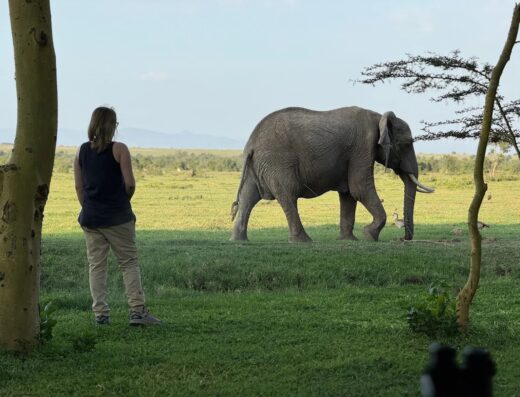
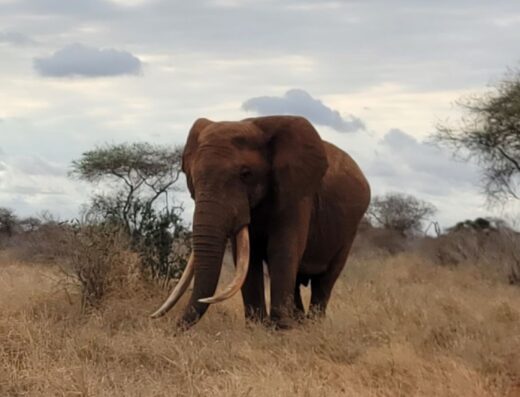
- Tarangire’s baobabs and elephants
Day by day
Day 1: Arusha to Tarangire
Meet your driver-guide in Arusha and head to Tarangire National Park for a full day of game viewing. Baobabs and acacias line the Tarangire River, which draws large herds in the dry season, and the park is one of the best places to see greater kudu and fringe-eared oryx. Lunch is a picnic overlooking the river, though the resident monkeys will happily help themselves. Continue to Karatu for the night.
Day 2: Karatu to the Serengeti
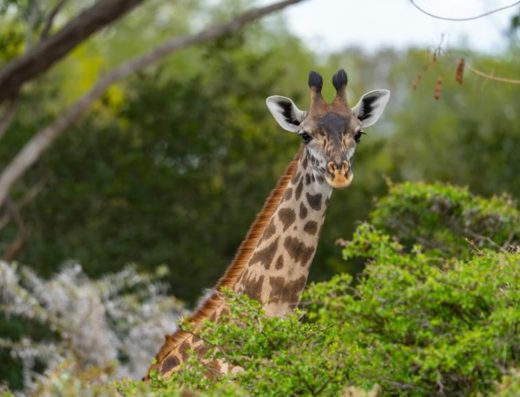
After breakfast, climb through the misty highland forest of the Ngorongoro Conservation Area, where buffalo, baboons and sometimes elephants or leopards are spotted, then continue to the Serengeti (around four hours to the gate). A Maasai boma visit or a stop at Olduvai Gorge can be added along the way at extra cost. Your first Serengeti game drive brings huge herds of wildebeest and zebra, giraffes and elephants, plus the chance of lion, cheetah, leopard and hyena.
Day 3: Serengeti to Ndutu
After breakfast, drive south to the Ndutu area, around an alkaline lake whose water is still drunk by much of the local wildlife. An afternoon game drive explores the short-grass plains where the bulk of the migration usually gathers in the wet season, along with elephants, resident game and abundant birdlife.
Day 4: Full day in Ndutu
Spend the whole day exploring Ndutu’s varied habitats of swamp, woodland, soda lakes and open grassland. With little cover on the plains, newborn calves attract lions, cheetahs and hyenas, although the young wildebeest are on their feet within minutes and can keep pace with the herd after a few days.
Day 5: Ndutu to Ngorongoro
Enjoy a final morning in Ndutu, then take a different route towards the Ngorongoro Conservation Area to look for wildlife you have not yet seen. Overnight in the highlands.
Day 6: Ngorongoro Crater to Arusha
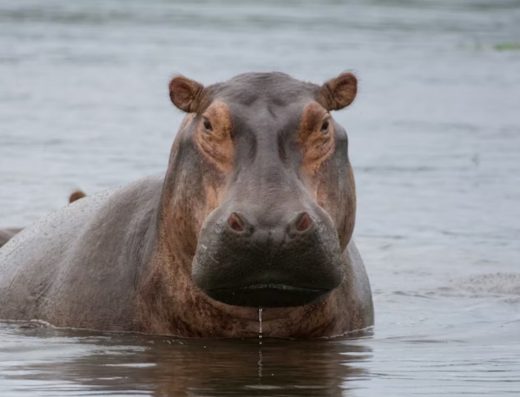
Descend from the crater rim into Ngorongoro Crater, a vast green caldera that is home to more than 120 mammal species, including all of the Big Five. It is one of Tanzania’s best places to see the endangered black rhino, with hippo pools, buffalo, big herds of wildebeest and zebra, and predators such as lion, cheetah, jackal and hyena. In the afternoon, drive back to Arusha for your onward journey.
Where you stay
Mid-range:
- Marera Valley Lodge
- Serengeti Sound of Silence
- Nyikani Migration Camp Ndutu
Luxury option:
- Acacia Farm Lodge Karatu
- Sametu Camp
- Serengeti Woodlands
- Ngorongoro Serena
Included
- Safari and accommodation as set out in the itinerary
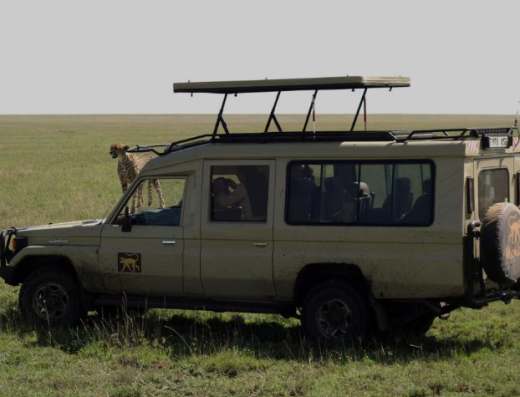
- 4×4 safari vehicle (6/7-seat extended vehicle)
- Professional English-speaking driver-guide
- Full-board meals as per the itinerary
- Drinking water during the safari
- All activities mentioned in the programme
- All national park and conservation entry fees
- Flying Doctors emergency evacuation cover during the safari
Not included
- Domestic and international flights
- Optional activities
- Alcoholic and soft drinks
- Visa fees
- Tips for your driver-guide
- Personal spending (souvenirs and similar)
- Travel insurance
- Serengeti hot-air balloon safari
Senior-friendly and wheelchair accessible
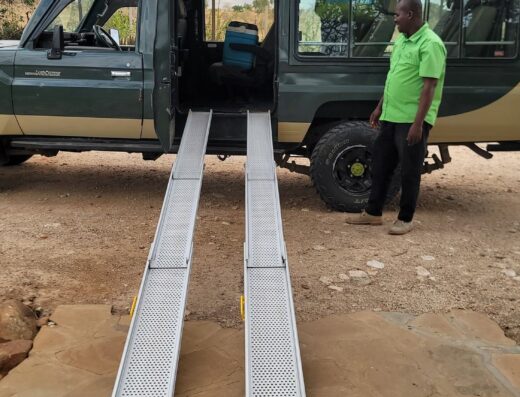
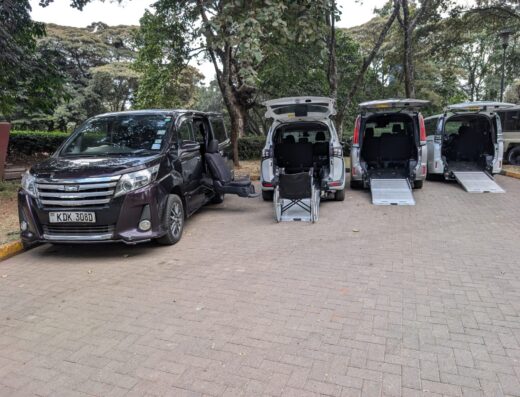
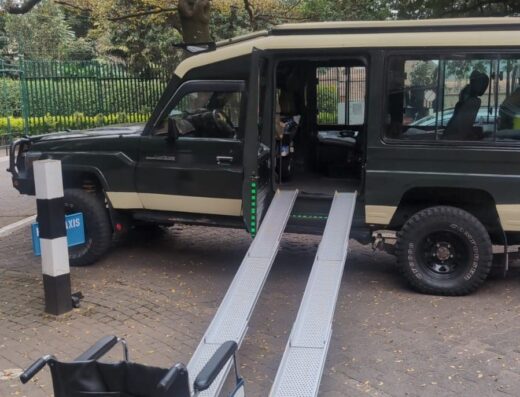
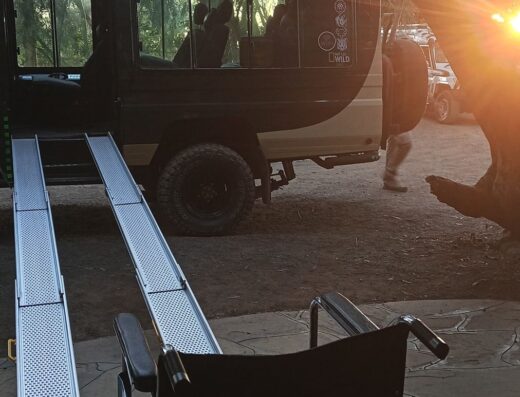
Accessible Travel Kenya caters to everyone. As specialists in inclusive tourism, the company can adapt this trip as a senior-friendly holiday or a wheelchair accessible safari. Tell Accessible Travel Kenya your access needs before you book. The company confirms lodge rooms and bathrooms, arrange a suitable safari vehicle and set a comfortable daily pace, and suggest alternatives where a stop would be difficult.
Prices on request: contact Accessible Travel Kenya for a quote for your dates and group.
Plan this trip with Accessible Travel Kenya
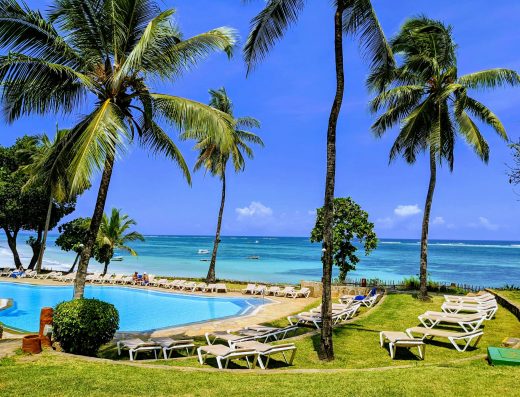
This itinerary is a starting point. Accessible Travel Kenya can change the dates, pace, lodges and length, or combine it with another journey or a beach stay.
Every Accessible Travel Kenya trip includes:
- A wheelchair-accessible vehicle with a trained Accessible Travel Kenya driver-guide
- Rooms, bathrooms and paths checked for access before you book
- 24-hour WhatsApp support throughout your trip
- Mobility equipment, carers and sign language interpreters on request
Send your dates and who is travelling, and the team replies within 24 hours with a tailored, written proposal.
Start planningor talk to an expert on WhatsApp
Booking from the UK? You can book through your own travel agent, and ask them about ATOL financial protection. Accessible Travel Kenya works alongside them as the ground partner in Kenya. Travel agents can request net rates through the Trade Enquiry form.